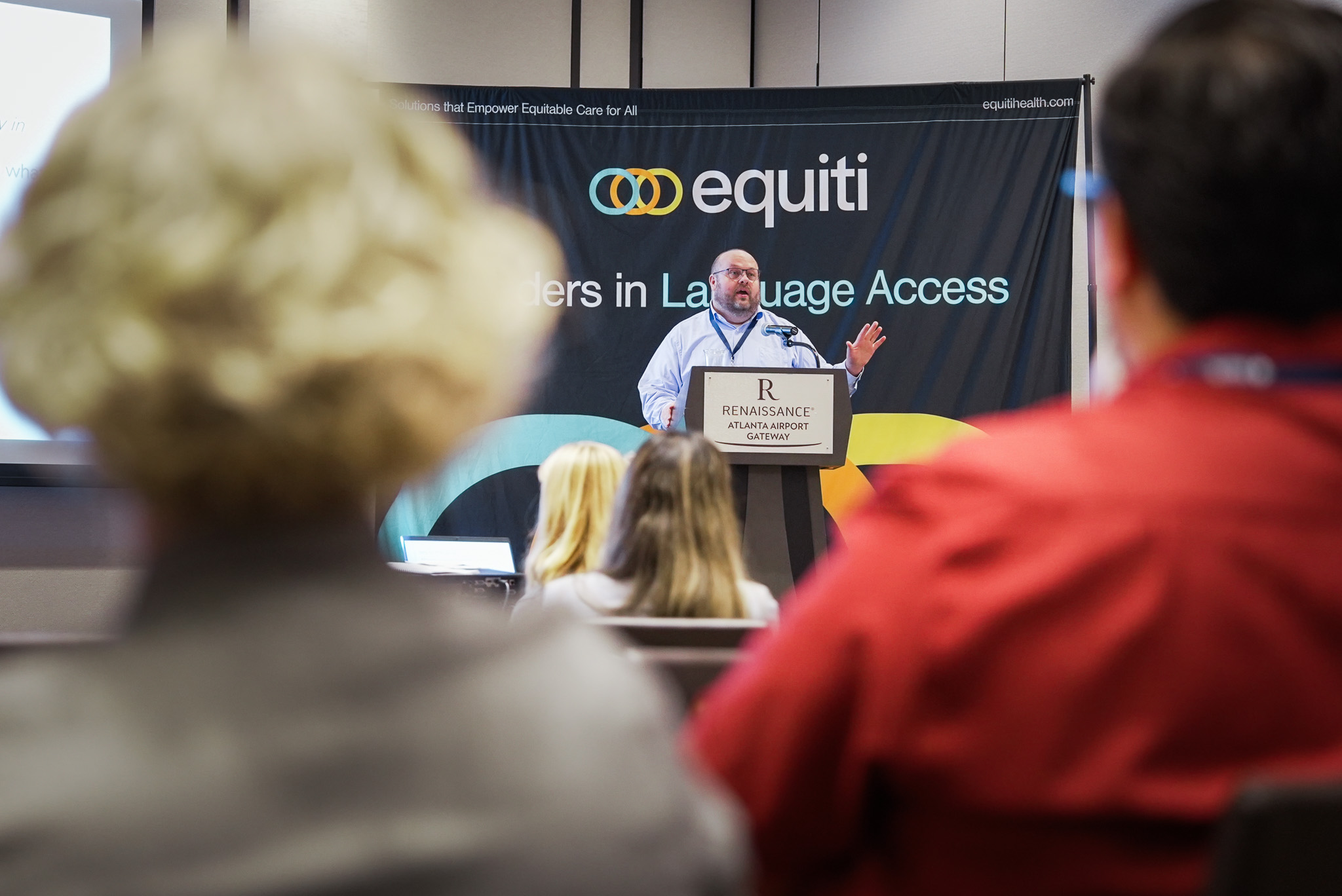
Healthcare leaders, language access professionals, and advocates gathered at the 2026 Language Access Leadership Symposium to explore one critical question: How can healthcare organizations build more equitable, effective, and sustainable language access programs in an increasingly complex environment?
One message resonated across every session: language access as a compliance checkbox is no longer enough. Effective language access strengthens patient outcomes, supports health equity, enhances operational performance, and fosters organizational trust.
As healthcare systems navigate workforce shortages, technological disruption, and evolving patient needs, our speakers and panelists shared valuable insights on where language access is headed next. Presenters shared practical strategies and lessons learned for attendees to implement upon arriving home. Here are five key takeaways from this year's discussions.
1. Technology and AI are changing the landscape, but human oversight is still critical
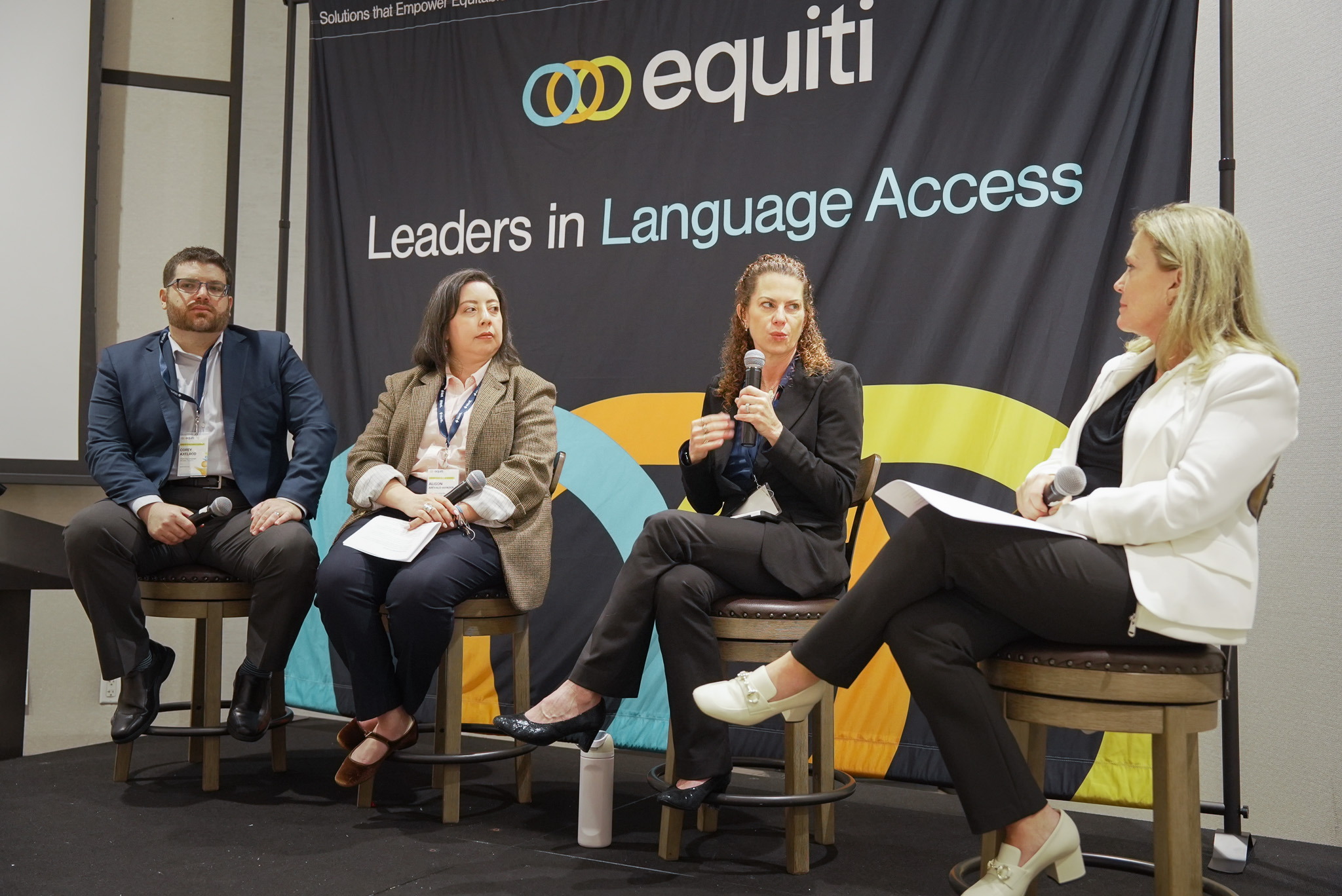
Our panel discussion featured Debbie Lesser, Director of Language Access Services at Wellstar; Alison Arevalo, Manager of Interpreting & Translation Services at Children's Healthcare of Atlanta; and Corey Axelrod, Founder and CEO of 2axend. The conversation, moderated by Maureen Huber, CEO of Equiti, explored the challenges healthcare organizations face as patient populations become increasingly diverse and expectations for accessible communication continue to grow.
The panel also discussed how healthcare organizations are evaluating AI-powered translation tools, automation, and new communication technologies to improve access and efficiency.
While panelists acknowledged the potential of these innovations, they emphasized that technology should support — not replace — qualified medical interpreters. As healthcare organizations adopt new tools, they must maintain rigorous standards for accuracy, patient safety, cultural competency, and trust.
Key Insight:
Many healthcare organizations are asking whether AI can replace interpreters. The more important question is where AI can safely support communication and where human expertise remains essential. The panel reinforced that meaningful access depends less on the technology itself and more on the governance, quality controls, and human oversight surrounding its use.
2. The Deaf and Hard of Hearing perspective must never be an afterthought
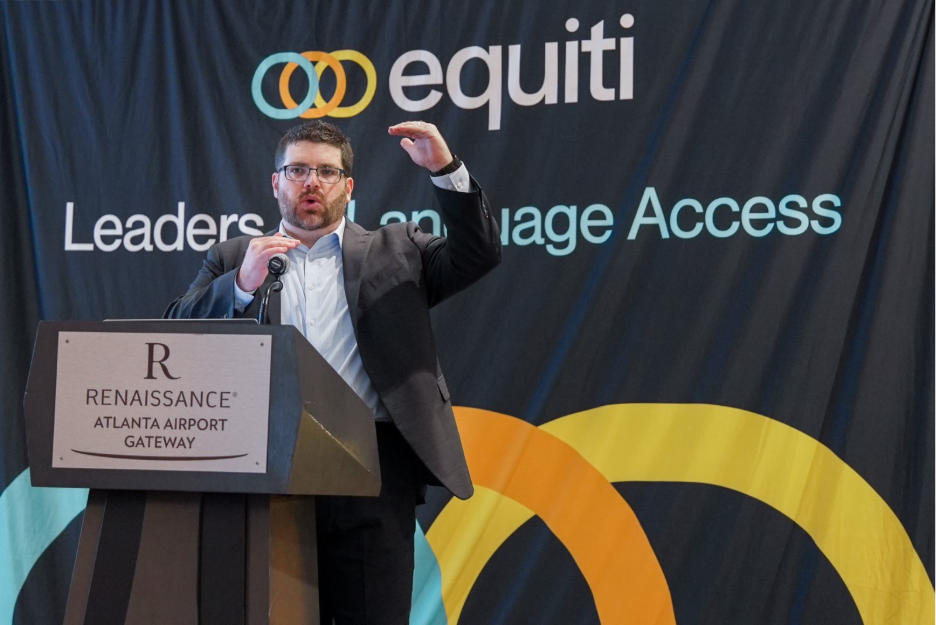
Corey Axelrod challenged attendees to view healthcare through a Deaf and hard of hearing lens.
Corey Axelrod is the Founder and CEO of 2axend and a fourth-generation Deaf advocate whose personal and professional experiences give him a unique perspective on healthcare accessibility. Having navigated the healthcare system as a Deaf individual, cared for family members facing serious medical challenges, and worked extensively with organizations seeking to improve accessibility, Axelrod is uniquely positioned to help healthcare leaders understand the real-world impact of communication barriers on Deaf and hard of hearing patients and how systems can move beyond compliance toward true communication equity.
Drawing on personal experiences and research, Axelrod demonstrated how communication barriers create far more than inconvenience — they create risk. Missed announcements, inaccessible scheduling systems, interpreter delays, reliance on written English, and ineffective discharge communication can leave patients feeling confused, isolated, and excluded from their own care.
He emphasized that compliance alone is not enough. Providing an accommodation does not necessarily mean communication was effective. Healthcare organizations must evaluate whether patients truly understood information and were able to participate fully in their care.
Axelrod urged leaders to move beyond reactive accommodations and embed accessibility into organizational culture, workflows, and quality initiatives. Communication equity should be treated as a patient safety issue and designed into every stage of the patient journey.
He also reminded attendees that the lessons learned during the COVID-19 pandemic should not be forgotten. Communication failures experienced by Deaf and HOH patients during the pandemic exposed longstanding gaps in healthcare accessibility. Hospitals should apply those lessons and avoid repeating the same mistakes in future patient care environments.
True language access requires healthcare organizations to view communication access holistically, ensuring that Deaf and HOH patients are fully included in planning, policy development, and service delivery.
Key Insight:
Accessibility is not the same as comprehension. A patient may have access to an interpreter, sign a consent form, or nod in agreement and still leave without understanding critical information. Corey Axelrod challenged attendees to measure communication outcomes —not simply whether an accommodation was provided.
3. The RFP process is evolving from cost comparison to strategic partnership
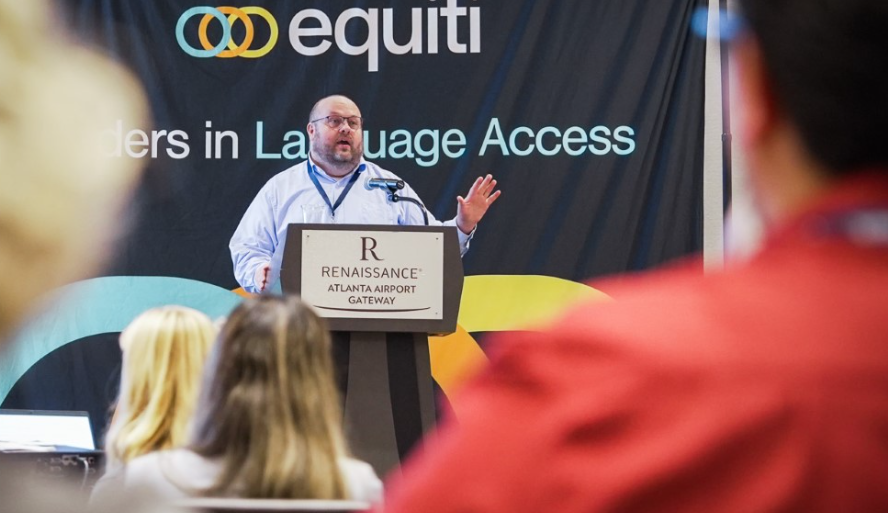
Manuel Higginbotham, CHI, LBBP, and Director of Language Access Services at University of Texas MD Anderson Cancer Center, explored how healthcare organizations are approaching language services procurement in a rapidly changing market.
Historically, language service Requests for Proposals (RFPs) often focused heavily on pricing comparisons. Today, healthcare leaders increasingly recognize that language access vendors play a critical role in patient experience, quality outcomes, and organizational performance.
Higginbotham encouraged attendees to view procurement as "policy in practice." Every requirement included in an RFP signals what an organization values, from interpreter qualifications and quality standards to technology integration and accountability.
As a result, the RFP process is evolving toward evaluating strategic partnerships rather than simply identifying the lowest-cost provider. Organizations are looking more closely at factors such as technology capabilities, quality assurance programs, workforce development strategies, compliance expertise, and long-term scalability.
The most successful language access programs are built through collaborative partnerships that align with broader organizational goals and health equity initiatives.
Key Insight:
RFPs are more than procurement documents — they are organizational value statements. Manuel Higginbotham demonstrated how every RFP requirement communicates priorities around quality, safety, equity, accountability, and workforce standards, making procurement a powerful tool for driving system-wide change.
4. A language access plan is a living, evolving document
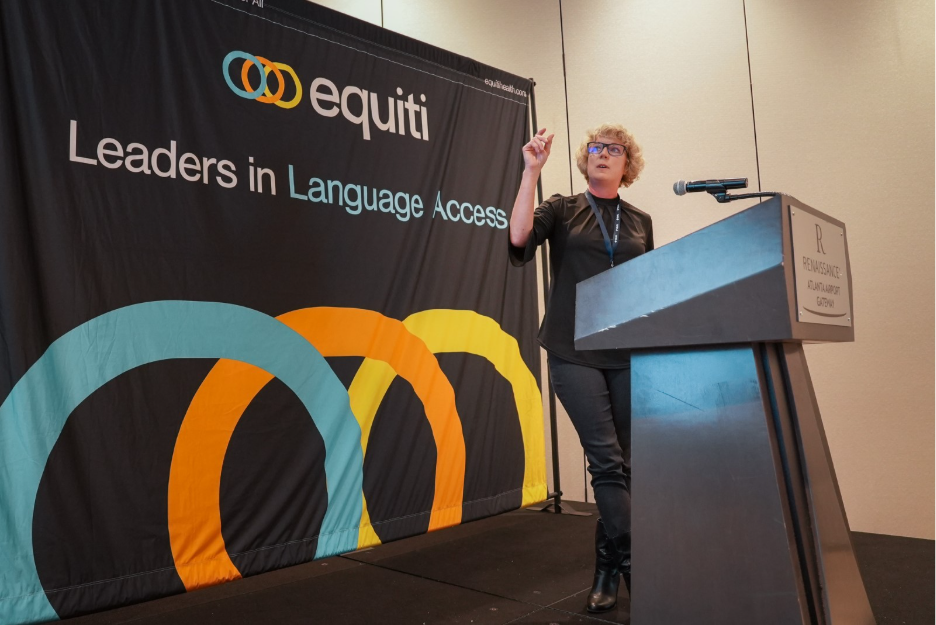
Shannon Huey, Client Success Manager at Martti, presented on the importance of sustainable planning and organizational commitment. She emphasized treating language access plans as strategic infrastructure rather than compliance exercises.
Effective plans begin with understanding patient populations, language needs, service utilization, and organizational goals. They also require clear policies, stakeholder engagement, staff education, and leadership support.
Most importantly, language access plans must evolve. As patient demographics, technologies, regulations, and organizational priorities change, plans should be reviewed, updated, measured, and funded accordingly.
Huey stressed that language access is not the responsibility of a single department. Success requires collaboration across clinical operations, compliance, patient experience, information technology, marketing, and executive leadership.
Organizations that embed language access throughout their operations are better positioned to deliver equitable care and meaningful communication for increasingly diverse communities.
Key Insight:
The most successful organizations no longer treat language access plans as compliance documents. Instead, they position language access as clinical infrastructure — on par with patient safety, quality improvement, and operational excellence — and continuously update plans to reflect changing patient populations and organizational priorities.
5. Workforce development is essential to long-term success
Brian Lezama, MD, CHI– Spanish, Supervisor of Language Access at Advocate Health, highlighted the critical role that workforce development plays in the success of language access programs.
As demand for language services continues to grow, many organizations struggle to recruit and retain qualified interpreters. Lezama challenged the assumption that bilingualism alone predicts interpreter success, noting that interpreting requires specialized skills such as message fidelity, memory retention, role boundaries, and medical terminology competency.
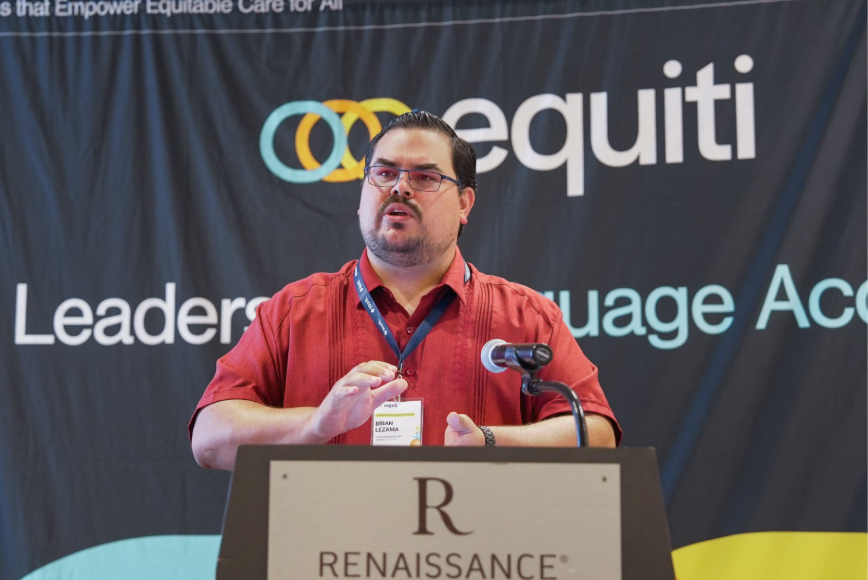
His team developed an Interpreter Readiness Assessment to identify staff candidates with strong interpreting potential and create more targeted training pathways. This approach expanded the talent pool while improving interpreter quality and certification rates.
Technology will continue to evolve, but qualified interpreters remain central to effective communication. Organizations that invest in qualification, training, mentorship, and career development will be best positioned to meet growing patient needs while maintaining quality, safety, and sustainability.
As demand for language services continues to grow nationwide, healthcare organizations that prioritize workforce development will be better equipped to meet the needs of diverse patient populations.
Key Insight:
One of the most surprising findings from Brian Lezama's presentation was that prior interpreter experience was not the strongest predictor of success. By focusing on interpreter aptitude and readiness rather than resumes alone, organizations can dramatically expand their talent pipeline while improving long-term quality and certification rates.
Looking ahead
The conversations at the 2026 Language Access Leadership Symposium underscored an important reality: language access is evolving rapidly, but its core purpose remains unchanged.
Whether discussing AI innovation, Deaf and hard of hearing accessibility, strategic partnerships, sustainable planning, or workforce development, each session reinforced the same principle: meaningful communication access is essential to delivering equitable healthcare.
The future of language access will depend on organizations that embrace innovation while remaining committed to the people they serve. By investing in comprehensive, patient-centered communication strategies, healthcare leaders can build stronger programs, improve outcomes, and advance health equity for all.
Symposium-Wide Insight:
Across every session, speakers reinforced a common theme: language access leaders must stop positioning their programs as compliance functions and start positioning them as strategic drivers of patient safety, quality outcomes, operational performance, and health equity. That shift in mindset may be the most important evolution facing the healthcare language access industry today.
About the Author