Pediatric patient experience needs more than one point of view
A parent can leave an appointment understanding the treatment plan while their child is still unsure what will happen next, even though they heard the same conversation. The parent may have needed a detailed explanation of the options, whereas the child may have been waiting to ask whether a procedure would hurt. A care team must make room for both, often while helping the family through an experience they never expected to have.
That is one reason I find the phrase “patient experience” worth examining in pediatrics. We ask parents to participate in decisions and help their children through treatment, but we cannot assume that meeting a parent's needs also meets the child's needs. Nor can we assume that a child who speaks English has a parent who can follow a medical discussion in English. Within one family, people can need different kinds of support to take part in the same encounter.
For those of us building healthcare technology, that means getting specific about whose experience we are evaluating.
Bring families into the decisions that affect them
Our work on Martti for Kids brought those perspectives together. Children’s hospitals and pediatric care teams helped shape the experience, with child life specialists reviewing the screens through their understanding of children’s development. Patients and parents contributed too, including young people who had experienced long hospital stays and knew what it felt like to receive care in those settings.
I believe that involvement belongs early in development, while the team still has decisions to make. Asking families to react to a finished product limits what we can do with their responses. Bringing them into the work sooner gives us a chance to reconsider an assumption before we build around it, particularly when their concerns differ from the ones we expected.
As leaders, we must leave room for that reconsideration in the schedule and give our teams the authority to make changes. Otherwise, we invite families to contribute without giving ourselves much opportunity to use what they tell us.
Make a specific improvement and be clear about its purpose
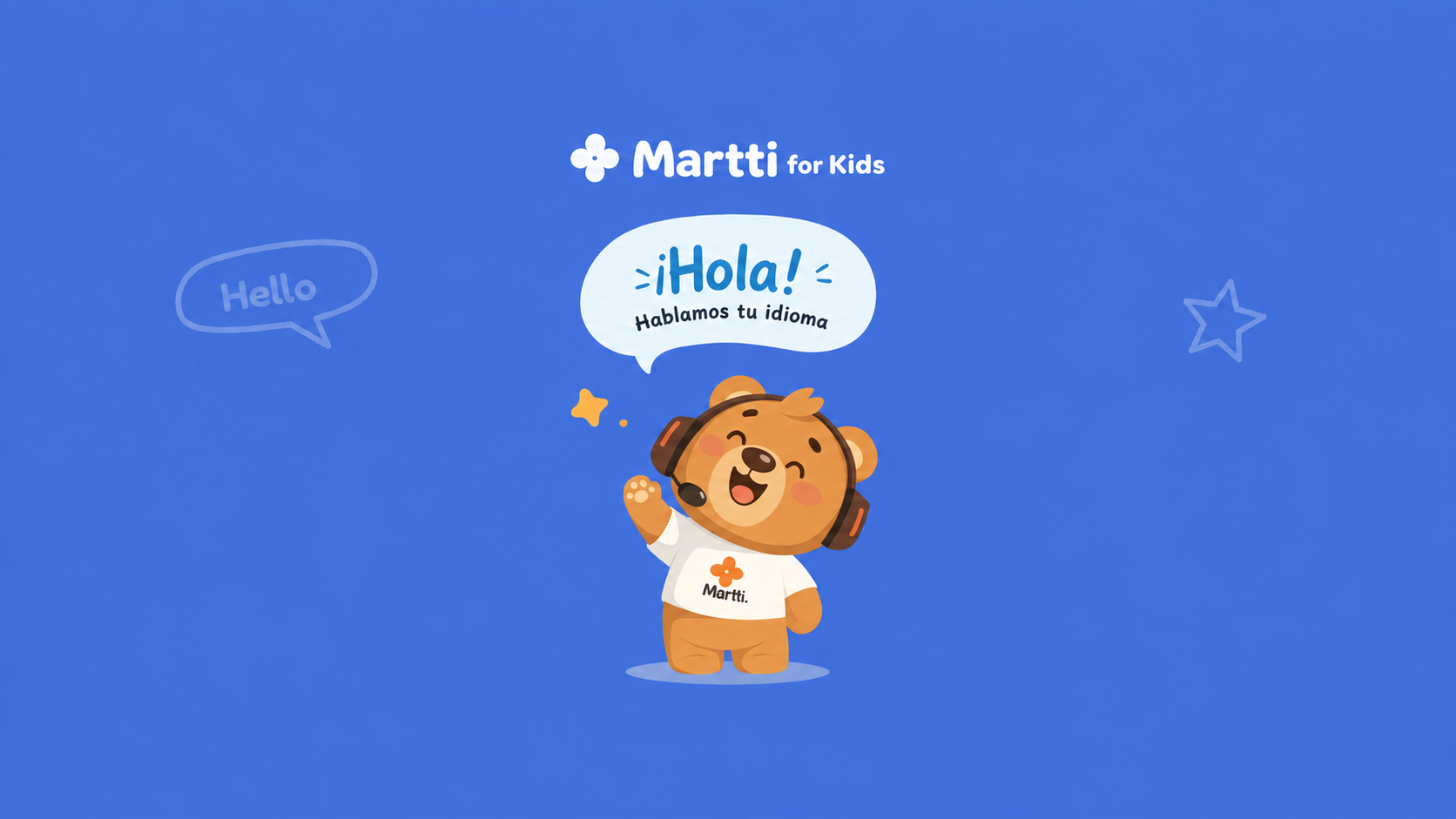
Martti for Kids focuses on the visual experience around an interpreter call. Within Martti, children encounter colorful, redesigned screens and an animated Martti Bear, supported by the same qualified medical interpreters and clinical workflows. Hospitals can also invite patients and families to contribute artwork for the call experience. Plus, the new experience comes with custom handouts, toys for patients, and other ways to make interpretation feel more welcoming for kids. The professional interpretation behind the screen continues to support communication with the family, and clinicians retain the controls and documentation they use today. Those requirements must coexist: attention to the child should fit the work of the people caring for them.
We will continue to keep asking families about that experience after launch, including which details help and which need further iterations. Their participation should influence how we evaluate the result, just as it informed development.
Explore Martti for Kids.
FAQs
How can language barriers affect communication in healthcare?
Language barriers change what a care team knows. Patients and families leave out symptoms, skip questions, and agree to plans they do not fully understand. In pediatrics the effect compounds, because the child and the adult making decisions both need to follow the conversation. Professional interpretation closes that gap at the point of care.
What are examples of language barriers in healthcare?
Common examples include a patient with limited English proficiency arriving without an interpreter, discharge instructions given in a language the family does not read, a family member asked to interpret a diagnosis, and consent obtained through an untrained bilingual staff member. Each one puts accuracy and patient safety at risk.
How do you overcome language barriers in healthcare?
Give clinicians access to medically qualified interpreters at the moment care happens, not after a delay. That means interpretation built into existing workflows and available on demand across every language your community speaks, with each session documented. Relying on unqualified family members or staff is not a substitute. Qualified bilingual or multilingual staff may communicate directly with patients within their assessed competencies.
What are the implications of language barriers for healthcare?
Patients with limited English proficiency understand less about their diagnoses and treatment plans, which leads to worse health outcomes. For health systems it also means longer encounters, avoidable readmissions, and exposure under Section 1557 and Joint Commission standards. Language access affects clinical quality and operating performance at the same time.
About the Author