I interpreted for my parents before I understood the responsibility
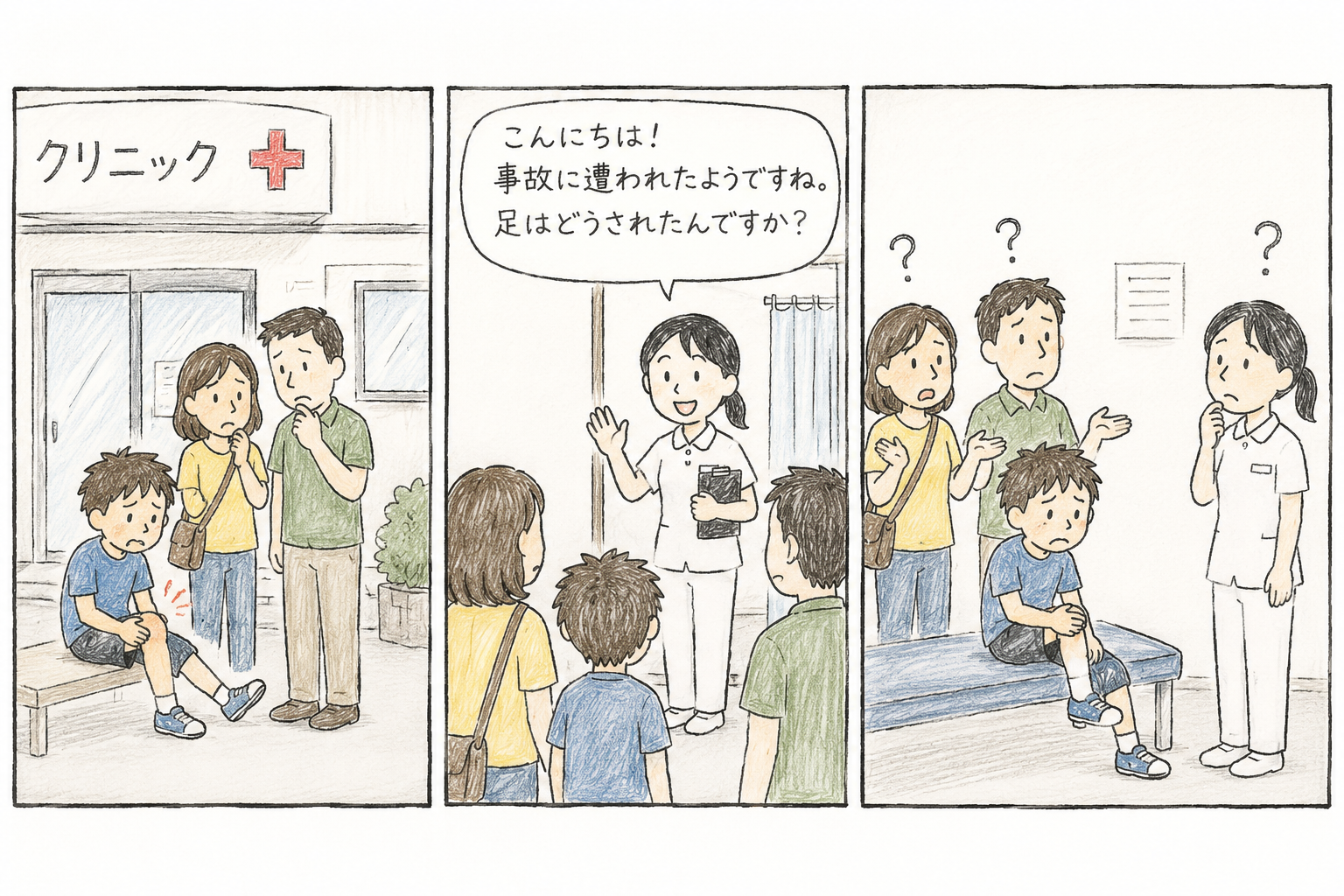
At 9 years old, while adjusting to a new country and navigating a new language, I found myself trying to explain words I didn't understand. My family and I had recently arrived from Cuba, and English was as foreign to my parents as medicine was to me. I helped them with English in places like the school office and the bank, so I took on the same role in medical appointments. We didn't know to ask for a qualified interpreter.
I wanted to help my parents, but a medical conversation asked more of me than the English I knew. I had to understand information I was hearing for the first time well enough to explain it to someone else. Looking back, I think about how much depended on me recognizing a word or realizing that I had missed something. At that age, I couldn't know the limits of what I understood.
A qualified medical interpreter would have given my parents someone prepared for that responsibility, so they could ask questions without relying on me to work out what the clinician meant. I care about access to that support because I remember what it felt like to be the child trying to provide it.
That memory also informs my work as a product leader, although I have to be careful about how I use it. My childhood gives me a personal reason to care; children receiving care today have experiences of their own that I need to understand. During the development of Martti for Kids, we worked with children’s hospitals as design partners and held focus groups with child life specialists and young patients who had spent long periods in hospital.
These conversations matter so much. Because our team can test whether someone can select a language and connect to an interpreter, but children can tell us about their experience of the screen in front of them and pediatric specialists bring the judgment to consider that feedback in the context of care.
Designing around a child without adding work for the clinician
For Martti for Kids, we concentrated on making the interpreting experience more welcoming to a young patient. The pediatric option within Martti introduces colorful language cards and an animated Martti Bear while the interpreter connects. Themed artwork accompanies the call, and hospitals can invite children and families to submit designs for use in that experience.
We also had to consider the clinician using the screen. A design that asks them to learn a different call flow or make an additional choice for each visit would add work to the encounter. We kept the familiar provider controls and session management, along with the existing back-end experience users expect from Martti. The organization enables the pediatric experience for the relevant locations or departments, so clinicians don't have to switch it on themselves.
I think about my parents in those appointments as much as I think about myself. They needed to understand what the doctor was telling them, and I was trying to help with words I didn’t understand either. That experience stays with me as I build for families today. With Martti for Kids, I want children to feel more at ease as their families connect with someone qualified to help them communicate.
See the Martti for Kids experience.
FAQs
What does a medical translator do?
In practice, most people searching this need a medical interpreter, who interprets spoken or signed communication between a patient and a clinician in real time. A translator works with written text, such as consent forms and discharge instructions. Both require medical terminology training, not just fluency in two languages.
What is a healthcare interpreter?
A healthcare interpreter is a trained professional who interprets spoken or signed communication between patients or family members and their care teams, including for people with limited English proficiency and Deaf or hard-of-hearing people who use sign language. Beyond fluency, the role requires medical terminology, patient privacy training, and cultural competency, so that diagnoses, treatment options, and consent are conveyed accurately rather than approximately.
What does a person of a different nationality need to say at a medical facility to get help for their child?
Ask for an interpreter in your own language, at check-in. You do not need to bring one, pay for one, or speak English to request one. Healthcare facilities receiving federal funding are required to provide qualified interpretation at no cost, including a parent making decisions about a child's care.
About the Author