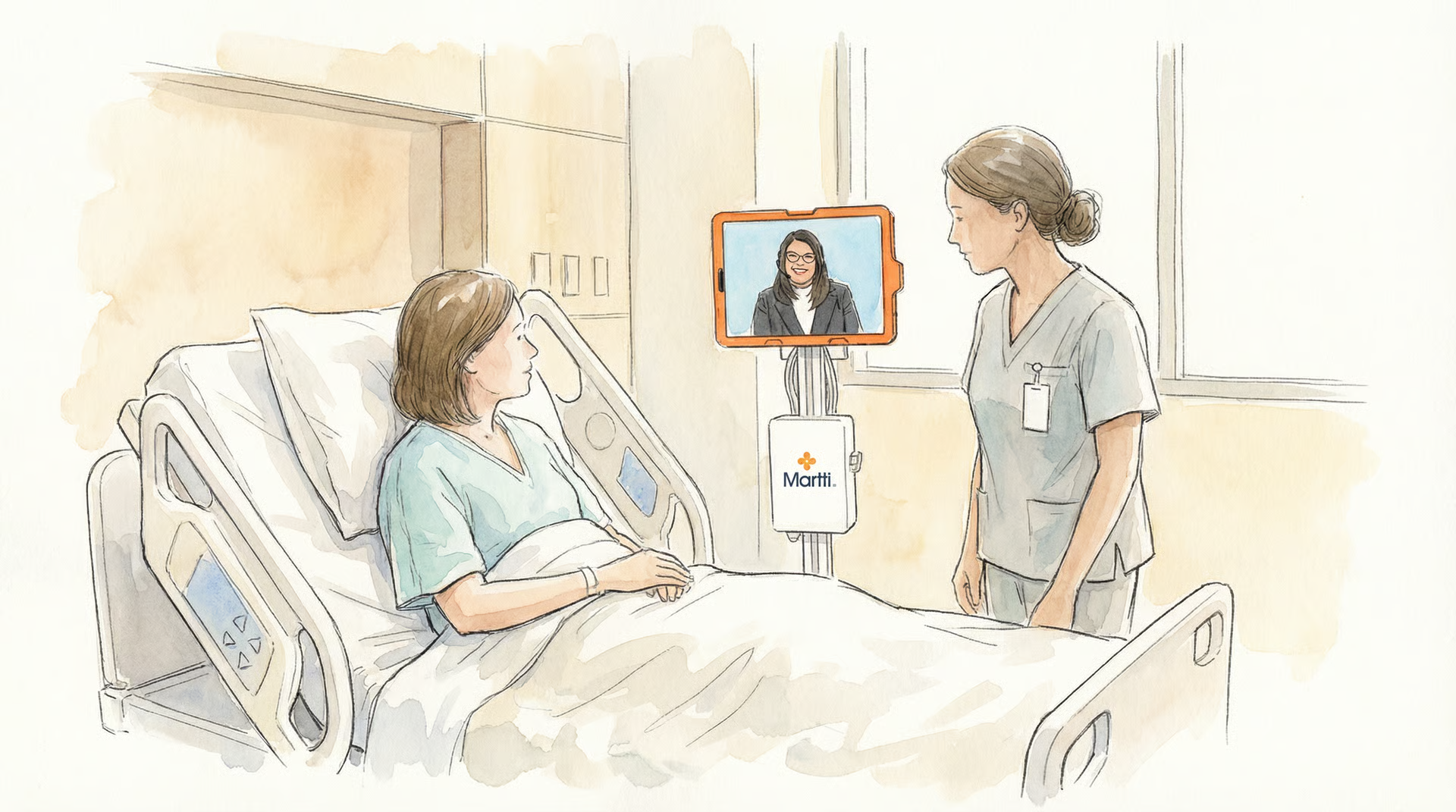
2025 was a defining year for our operations team at Equiti. We spent the year focused on one goal: building language access infrastructure through Martti that health systems could depend on at scale.
Looking back, I'm proud of what we accomplished. We brought together the best of Voyce and Martti into the unified Martti platform and demonstrated that reliable language access improves patient flow, reduces staff burden, and strengthens compliance readiness.
This is a look at the progress we made in 2025 and what it means for the health systems we serve.
The Numbers Behind Reliable Access
In 2025, our team supported language access at a scale I'm very proud of:
- 320 spoken languages and dialects
- 19.4 second average connect time
- 18,000+ healthcare interpreters
- 800,000+ hours of healthcare interpreter training
For the healthcare organizations we work with, these numbers translate into something tangible: faster access to interpreters when it matters, fewer delays at the point of care, and dependable coverage even when patient volumes and language needs shift unexpectedly.
Our 2025 Journey
Behind these results was a year of focused operational work that I'm particularly proud of.
In 2025, we brought together the best capabilities from Voyce and Martti to build the unified Martti language access platform designed for scale, reliability, and the clinical complexity our partners face every day.
We aligned interpreter support teams, standardized workflows across both operations, and expanded capacity to make sure health systems had consistent access even as demand patterns and language mix shifted.
And behind every metric I listed above is an operational outcome that matters to the health systems we serve:
Faster connections mean fewer delays
Sub-20-second connect times eliminate waiting in triage, treatment, and discharge. This supports faster clinical decisions, prevents avoidable length-of-stay extensions, and protects patient throughput during peak demand.
Less administrative burden on clinical teams
Using healthcare-only interpreters can reduce non-clinical burden and administrative load while improving efficiency through familiarity with clinical workflows, terminology, and compliance. This leads to smoother encounters, fewer errors, and more reliable communication, resulting in better experiences for both staff and patients in high-stakes clinical environments.
More consistent compliance across departments
Standardized workflows and broad language coverage reduce variation in how language access gets delivered. That limits compliance gap sand helps health systems stay audit-ready without adding extra work.
What Coordination Looks Like in Practice
One experience from 2025 stands out as a reminder of why this work matters.
A Deaf patient required support across a series of prenatal appointments. Her care involved Certified Deaf Interpreters, American Sign Language interpreters, and spoken Vietnamese interpreters — all working together across multiple visits.
Our language operations team planned each appointment in advance, making sure interpreter teams were aligned on clinical context, cultural competency, and care goals before anyone walked into the room.
The result was that caregivers entered each visit confident that communication would be clear and complete. The patient experienced continuity, trust, and dignity throughout her care journey. This is the kind of coordination that's only possible when you have the operational infrastructure and expertise to support complex clinical scenarios without adding burden to care teams.
Read more customer stories here.
Moving Forward
Equal access to care starts with communication.
When language access is reliable, caregivers experience less friction, patients feel heard, and health equity becomes embedded in daily operations instead of being something we talk about in meetings. That's what our work delivered in 2025, and it's what continues to guide how we support health systems moving forward.
If you're interested in understanding how this kind of performance could support your health system's goals, let's talk. Our experts are always happy to review current language access needs and discuss how our platform and interpreter network can strengthen patient flow, reduce staff burden, and support compliance readiness.
About the Author